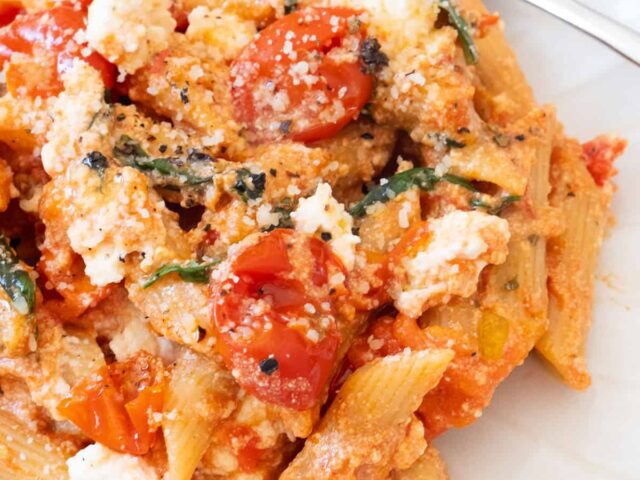
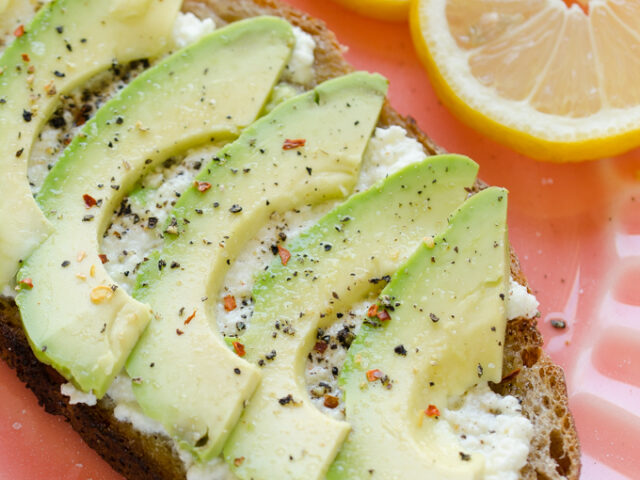
Traditional ricotta is made from the whey left over from other cheeses. You can also make a fresh, ricotta-style cheese straight from whole milk and an acid, with no rennet and no leftover whey needed. It's the simplest cheese to start with, and it needs only a few things from the supermarket.
What you need
- 1 gallon whole milk. Use regular pasteurized milk, not ultra-pasteurized, which won't curdle properly.
- 6 tablespoons lemon juice or white distilled vinegar
- A thermometer, a large pot, cheesecloth and a colander
How to make it
- Heat the milk slowly, stirring often so it doesn't scorch, to about 180 to 185°F.
- Stir in the lemon juice or vinegar and keep stirring for about 2 minutes. The milk separates into curds and thin, yellowish whey.
- Turn off the heat and let the pot sit for about 20 minutes, so the curds rise.
- Ladle the curds into a colander lined with cheesecloth and let them drain.
- Let the cheese cool to room temperature, then keep it in the refrigerator.
Soft or firm
How long you drain it sets the texture. About 15 minutes gives a soft, creamy ricotta. About 30 minutes gives one that's firmer and slightly dry.
Recipes differ a little on the exact numbers: some heat the milk to 190°F, and some use more or less acid, but too much acid makes the cheese taste sour. Fresh ricotta keeps for up to a week.
Method based on the homemade ricotta recipe on Nutrition.gov, with drain times from Food Network Kitchen.
Next: paneer
Paneer is made in a very similar way: milk, an acid, and draining. The difference is that paneer is pressed, so it ends up firm and holds its shape when cooked. That's the next chapter.